
+91 9929584648
nidhikuiyakabra1982@gmail.com
Home/ Laparoscopic Myomectomy
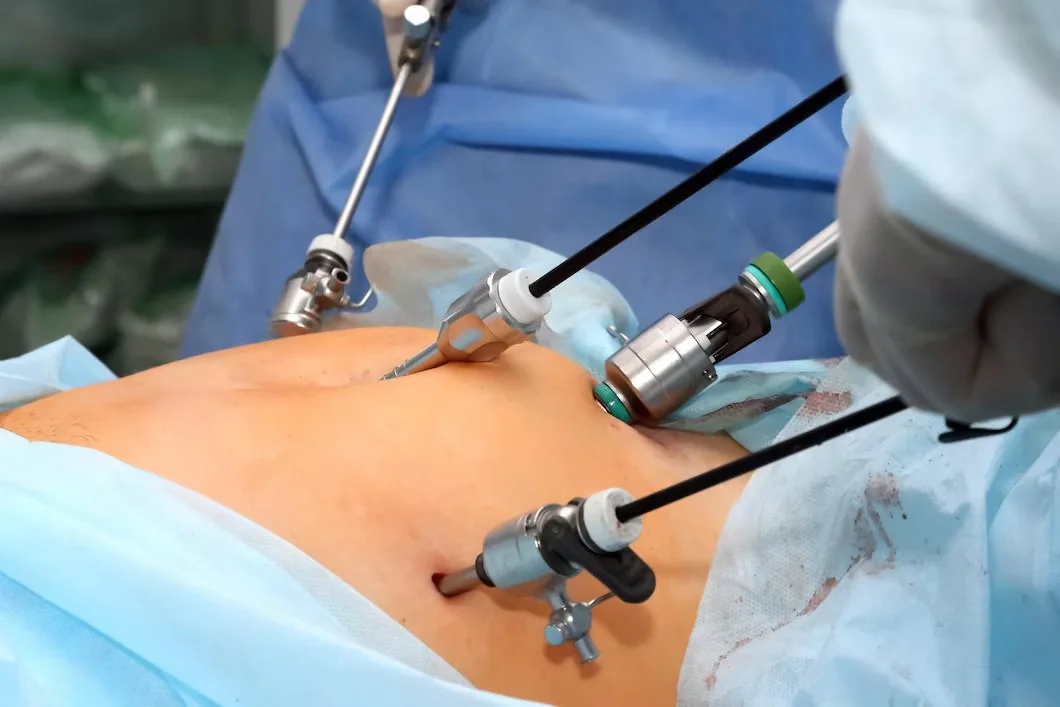
Laparoscopic myomectomy is a type of surgery that removes fibroids without taking out the uterus. Fibroids are growths that're not cancerous. They form inside or around the uterus. Can cause problems like heavy periods, pain in the pelvis, a feeling of pressure needing to pee often or trouble getting pregnant.
This surgery is different from the way of doing it which involved a large cut in the belly. Instead laparoscopic myomectomy uses small cuts. A camera and special tools are put through these cuts to see and remove the fibroids. This method helps keep the uterus intact. It depends on how big, how many and where the fibroids are.
If you are looking for a Gynae Doctor in Jaipur Dr. Nidhi Kabra offers care and advice for women dealing with uterine fibroids and other reproductive health issues. Women who want to find the Best Gynecologist in Jaipur can talk to Dr. Nidhi Kabra. She can help explain what’s going on and suggest the treatments.
Laparoscopic myomectomy is a minimally invasive surgical procedure that removes uterine fibroids without removing the uterus. The surgeon makes small incisions in the abdomen and inserts a laparoscope to view the uterus and nearby pelvic organs. Specialised instruments are used to remove the fibroids while preserving the uterus. After the procedure, the small incisions are closed.
This treatment may be an option for women who have symptomatic fibroids and wish to preserve their uterus. However, its suitability depends on each woman's health and the size, number and location of the fibroids. Every case is different, and a doctor’s evaluation is necessary to determine the appropriate treatment. If you are looking for the Best Gynecologist Doctor in Vaishali Nagar, Jaipur, Dr. Nidhi Kabra can provide consultation and guidance regarding uterine fibroids and available treatment options.
Uterine fibroids, also called leiomyomas are growths that appear in the muscular wall of the uterus. Uterine fibroids can vary greatly in size, number and location. Some women with fibroids may not feel any symptoms. Others with fibroids may feel discomfort or may have problems with their menstrual cycle or reproductive health.
Fibroids may develop in different parts of the uterus, including:The location, size and number of fibroids help the doctor decide which treatment approach may be suitable.
A gynaecologist may recommend laparoscopic myomectomy when uterine fibroids cause significant symptoms or require surgical treatment. It may be considered in cases such as:
Not every uterine fibroid requires surgery. The treatment decision depends on symptoms, fibroid characteristics, age, reproductive plans and overall health.
The symptoms of uterine fibroids can vary from woman to woman. Some women may have no noticeable symptoms, while others may experience:
Women experiencing persistent or unusual menstrual symptoms should consult a gynaecologist for proper evaluation.
Before recommending laparoscopic myomectomy, the doctor evaluates the size, number and location of fibroids. Diagnosis may include:
The doctor reviews menstrual history, symptoms, reproductive plans and previous medical conditions. A physical examination may also be performed when required.
Ultrasound helps identify fibroids and assess their size, number and location within or around the uterus.
An MRI may be recommended in selected cases to provide more detailed information about fibroid characteristics and their relationship with surrounding structures.
Depending on symptoms and medical history, further tests may be advised to evaluate the uterine cavity, check haemoglobin levels or assess other possible causes of symptoms.
Laparoscopic myomectomy is performed under general anaesthesia. The exact steps depend on the size, number and location of the fibroids.
The procedure generally involves:The surgical approach and recovery may vary depending on the complexity of the procedure.
When suitable for a patient, laparoscopic myomectomy may offer several benefits compared with traditional open surgery:
The benefits may differ depending on the patient's condition and the complexity of the surgery. Uterus preservation does not guarantee future pregnancy or fertility outcomes.
Like any surgical procedure, laparoscopic myomectomy has certain risks. These may include:
In some cases, the uterine wall may require careful repair, and future pregnancy planning may need individual medical guidance. The doctor will explain the possible risks and precautions before surgery.
Recovery after laparoscopic myomectomy can differ based on how fibroids and how big they are and on patients overall health.
Patients may feel abdominal discomfort, tiredness or bloating during the early phase of Recovery after laparoscopic myomectomy. The doctor gives instructions about medication, wound care, physical activity and follow-up visits.
Patients should avoid lifting and strenuous activities until the doctor confirms that it is safe to resume them. The timing for returning to work exercise and sexual activity depends on the patient's individual recovery.
Women planning pregnancy after myomectomy should talk to their treating doctor about the waiting period and future pregnancy care. If patients are looking for the Best Gynecologist Doctor, in Vaishali Nagar, Jaipur Dr. Nidhi Kabra can guide patients regarding -surgical recovery and pregnancy planning based on patients' individual health needs.
Dr. Nidhi Kabra is a Gynecologist and Fertility Specialist in Jaipur who offers consultation for women's health and gynaecological concerns, including uterine fibroids.
Dr. Nidhi Kabra is a Gynecologist and Fertility Specialist in Jaipur who offers consultation for women's health and gynaecological concerns, including uterine fibroids.
Women looking for a Gynecologist in Vaishali Nagar, Jaipur can consult Dr. Nidhi Kabra for evaluation of related symptoms, discussion of available treatment options and personalised guidance based on their health needs. Women searching for the Best Child Delivery Doctor in Vaishali Nagar, Jaipur can also consult Dr. Nidhi Kabra for pregnancy-related guidance and maternity care.
The treatment plan recommended by Dr. Nidhi Kabra depends on the woman's symptoms, fibroid characteristics, medical history and future pregnancy plans.

MBBS, DGO, FRM
Find answers to some of the most common questions. We are here to help you with the information you need.
Laparoscopic myomectomy is a minimally invasive surgical procedure used to remove uterine fibroids through small abdominal incisions while preserving the uterus.
It is a surgical procedure performed under general anaesthesia. Although it uses small incisions, its complexity depends on the size, number and location of the fibroids.
Pregnancy may be possible after laparoscopic myomectomy, depending on individual fertility factors and the condition of the uterus. Women planning pregnancy should discuss the appropriate timing and pregnancy-related precautions with their doctor. If you are looking for the Best Pregnancy Doctor in Vaishali Nagar, Dr. Nidhi Kabra can provide consultation and guidance for pregnancy planning after myomectomy.
Recovery time varies from patient to patient. Many women recover faster than after open surgery, but the exact time depends on the complexity of the procedure and individual healing.
Myomectomy removes existing fibroids, but new fibroids may develop later. Regular follow-up may help monitor uterine health.
Can't find the answer you're looking for? Our team is always ready to assist you. Get in touch with us today.
Contact Us